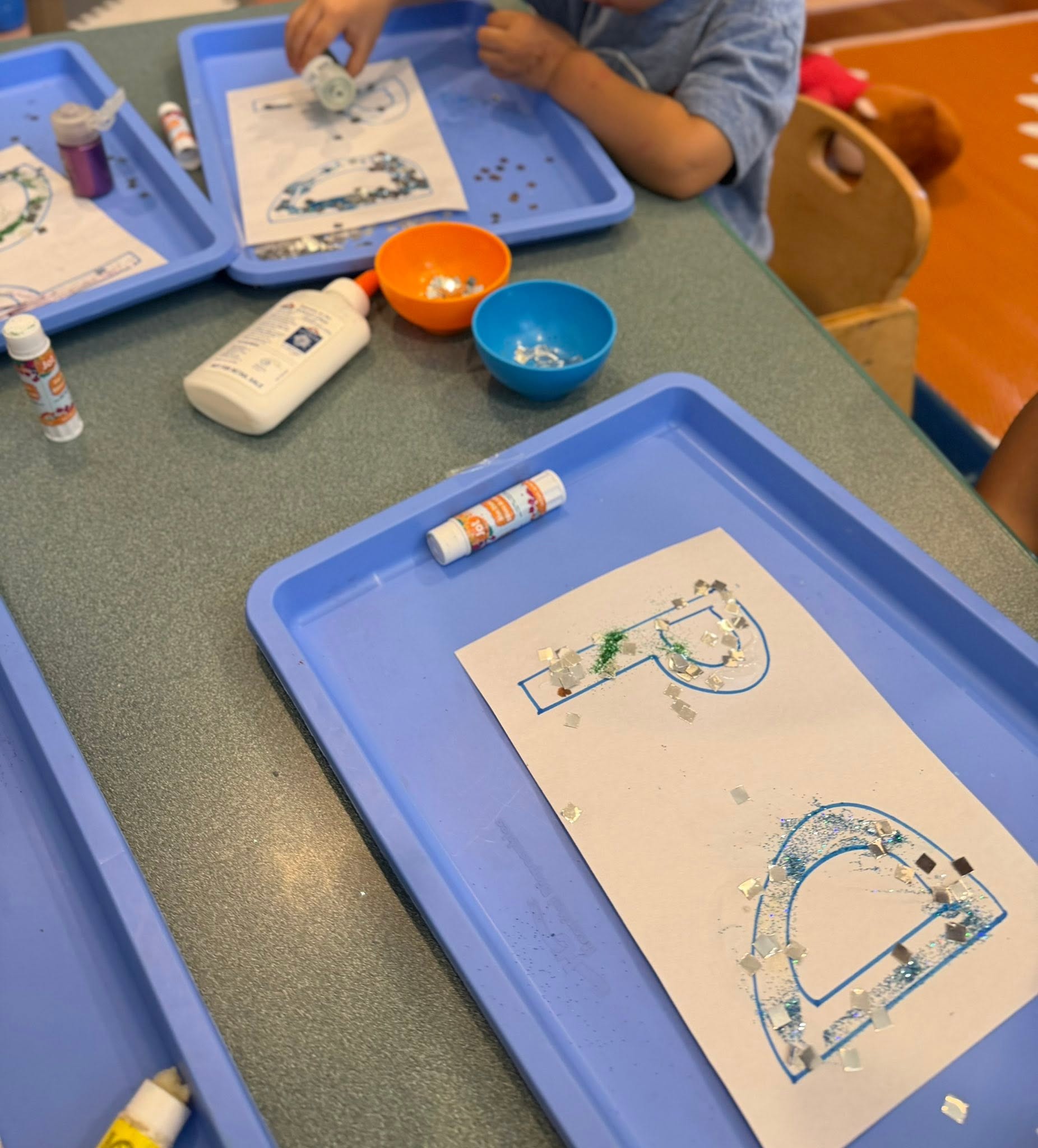
Early literacy
A letter of the week anchors songs, stories, crafts, and tracing. Children meet letters with their hands long before they are asked to write them.
Our approach
We believe children are social beings: learning happens in relationship, with a teacher who knows them and friends who miss them. We believe every child carries capability and leadership worth taking seriously. We believe a day with rhythm and purpose helps young children feel safe enough to be curious. We believe in respect — for each other, and for the world these children will inherit. And we believe families are a child’s first teachers, and our closest partners.
In practice, that means a structured, language-rich day: the same rhythm every day, real materials in small hands, two circle times, daily outdoor play, and a balance between academics and social development. Structure here is not strictness — it is the predictability that lets a two-year-old relax and a four-year-old take on harder things.
What we learn
A letter of the week anchors songs, stories, crafts, and tracing. Children meet letters with their hands long before they are asked to write them.
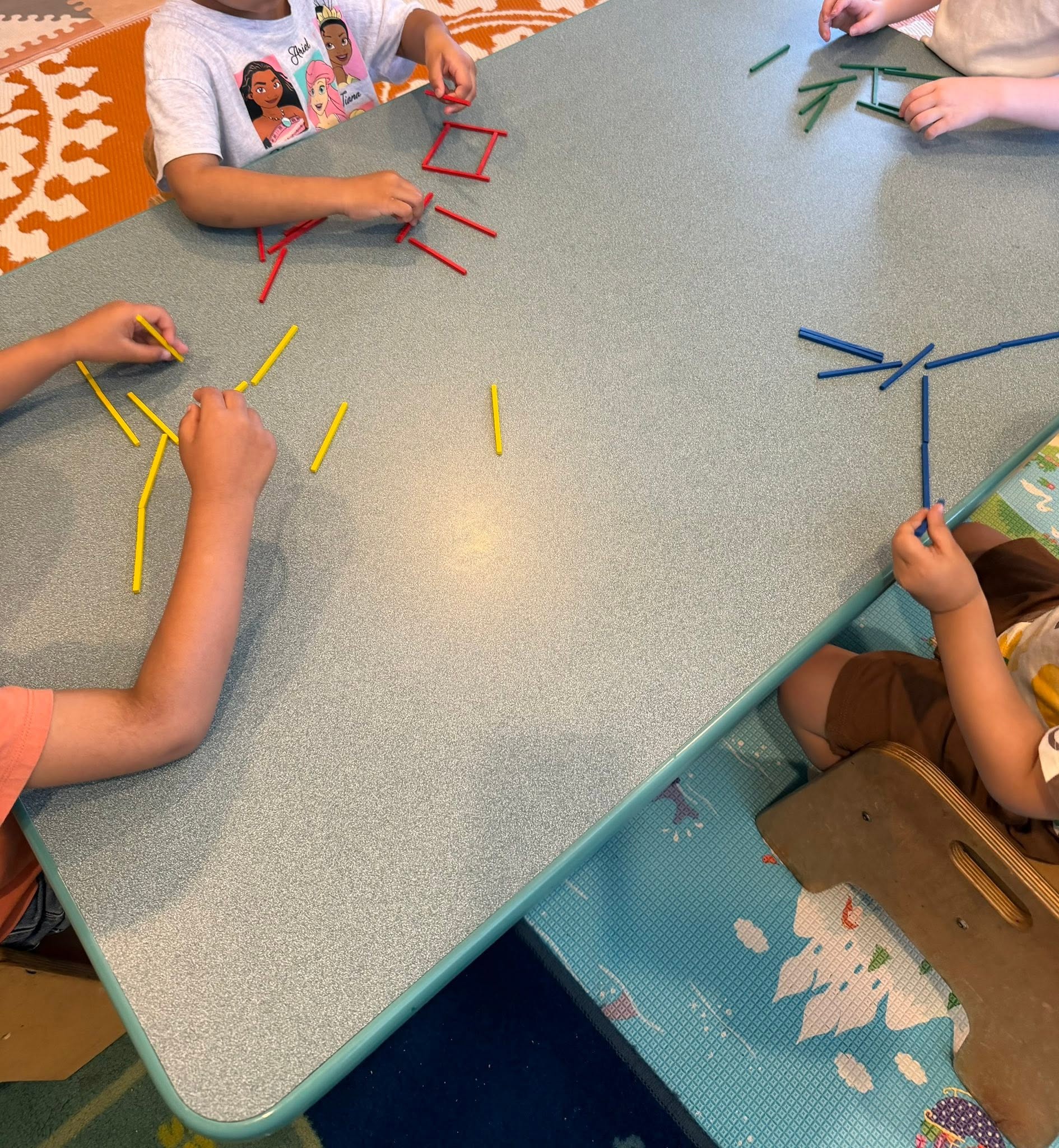
Counting sticks, beads, shapes, and the daily calendar make numbers something children build and touch, not just recite.
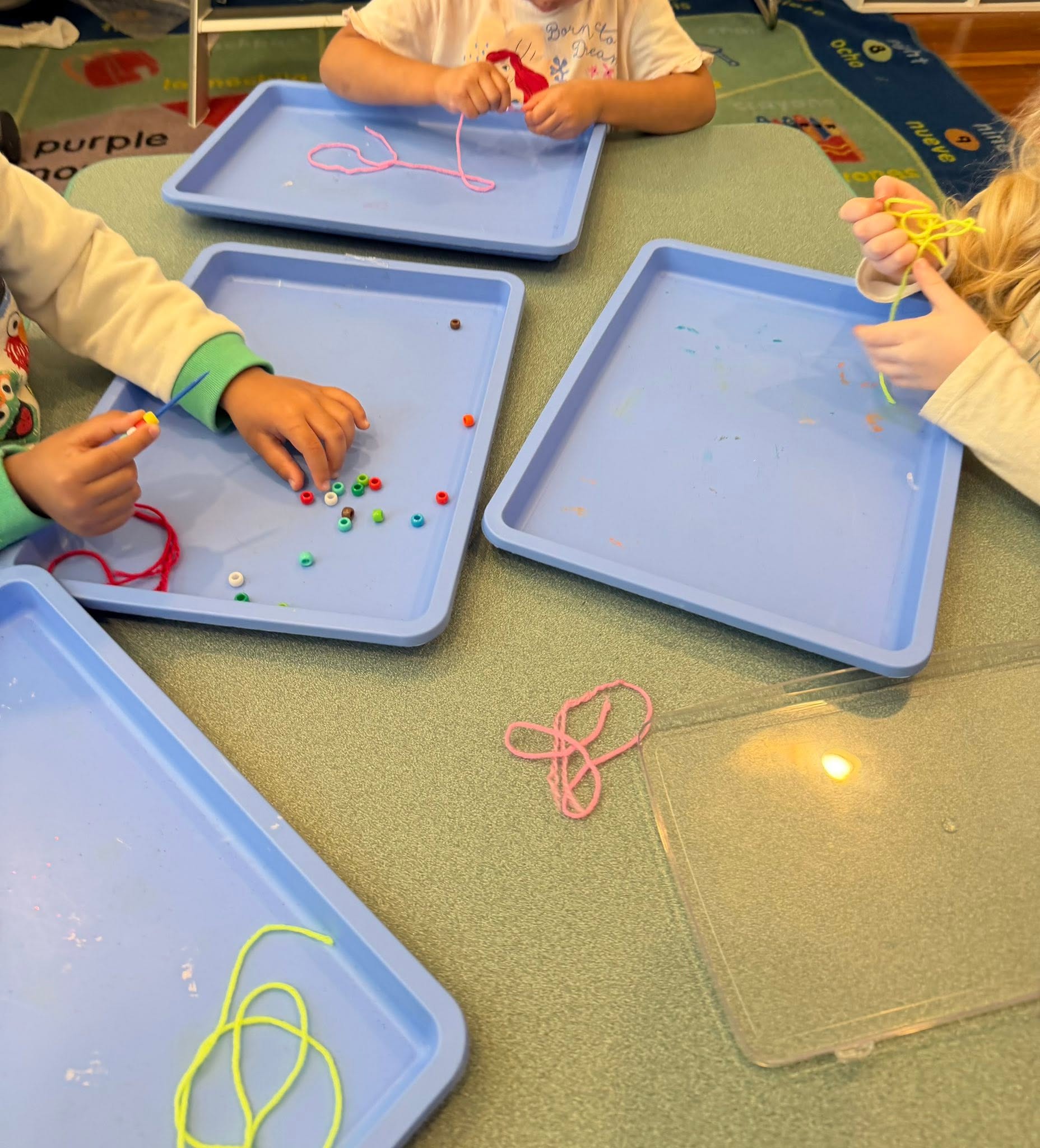
Individual work trays — threading, sorting, lacing — build the focus and hand strength that later make writing feel easy.
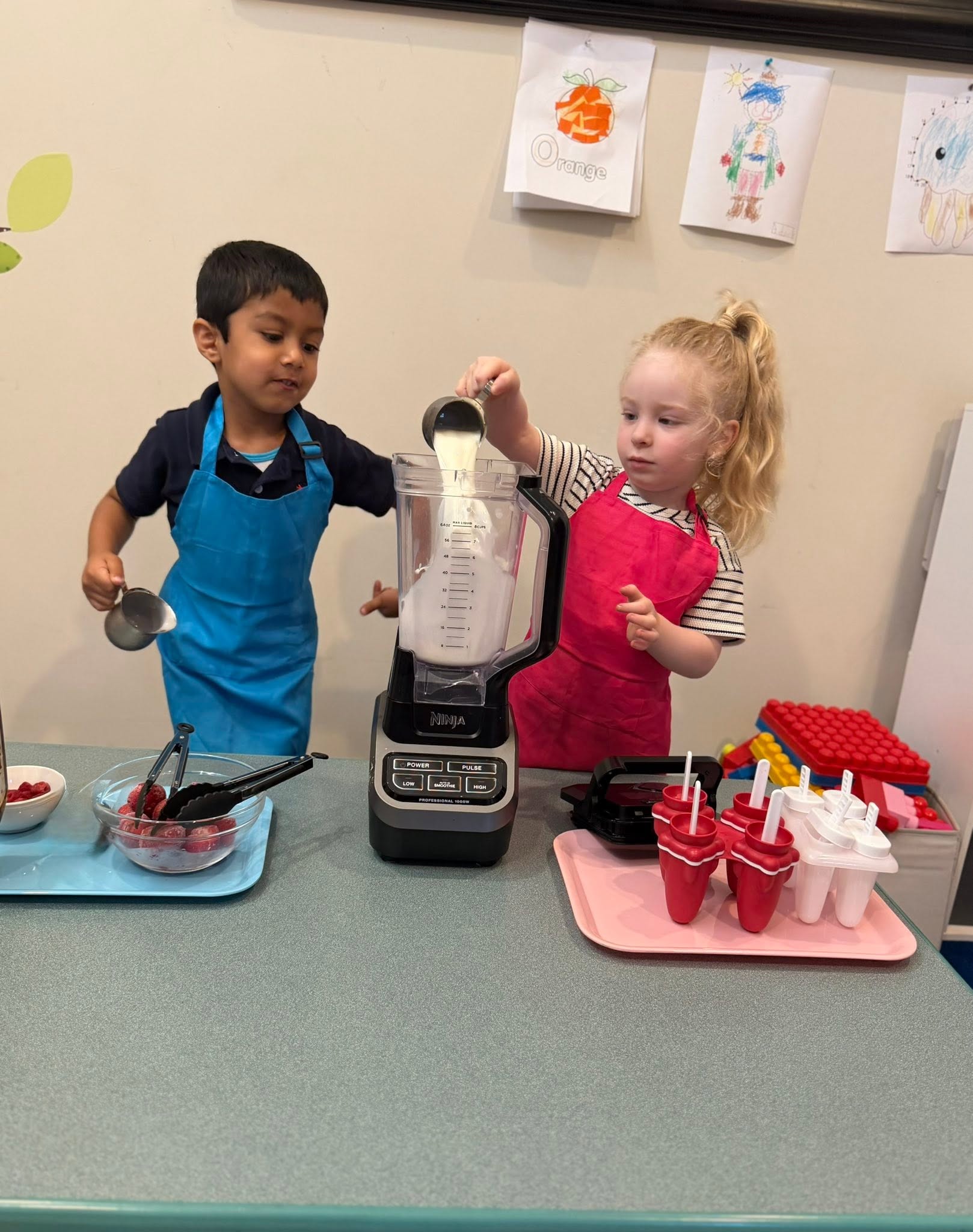
Real cooking with real tools: measuring, pouring, blending, waiting. Children eat what they make, and confidence comes with it.
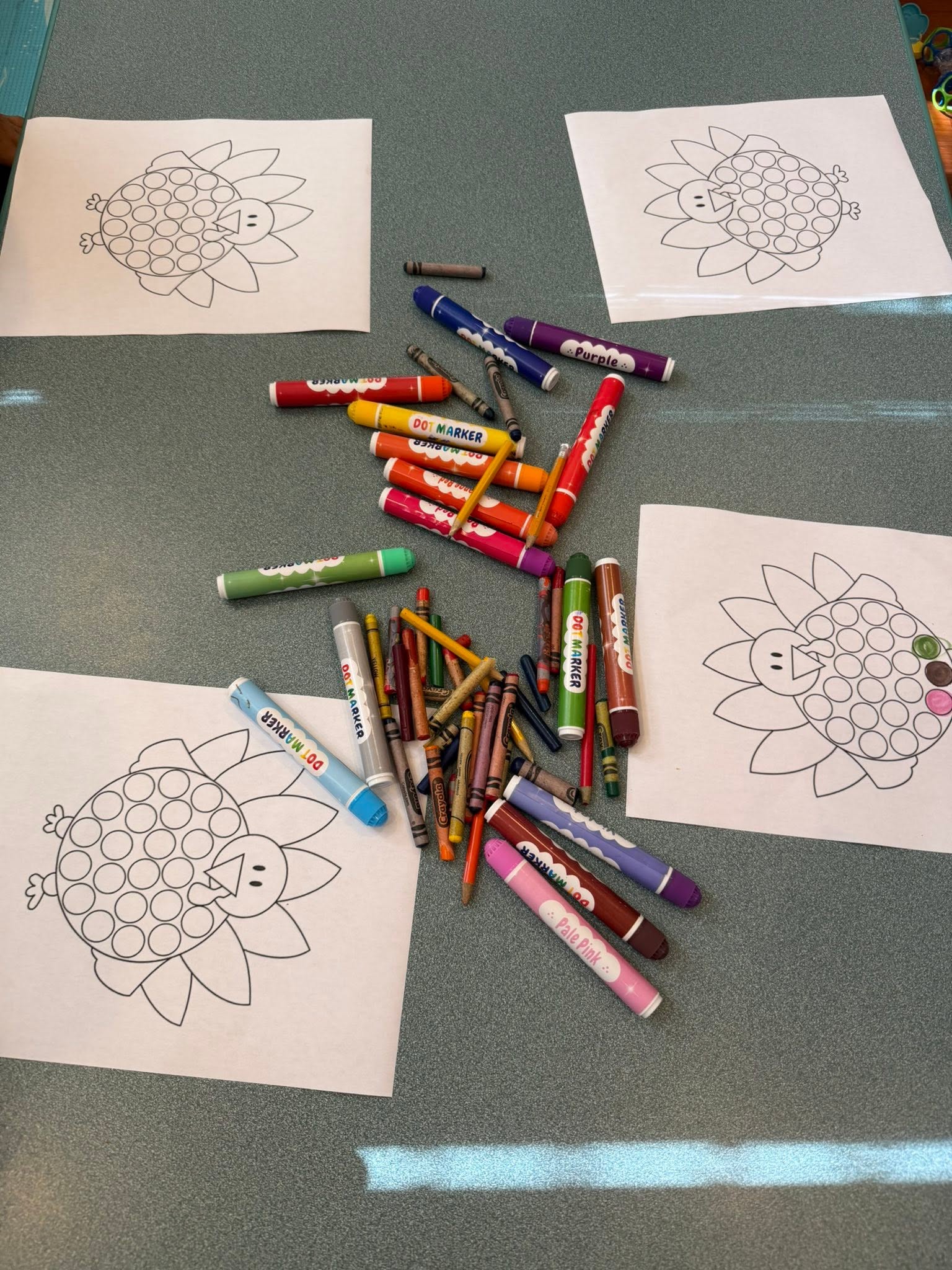
Open-ended art alongside seasonal projects — dot markers, crayons, glue, and glitter, with the process valued over the product.
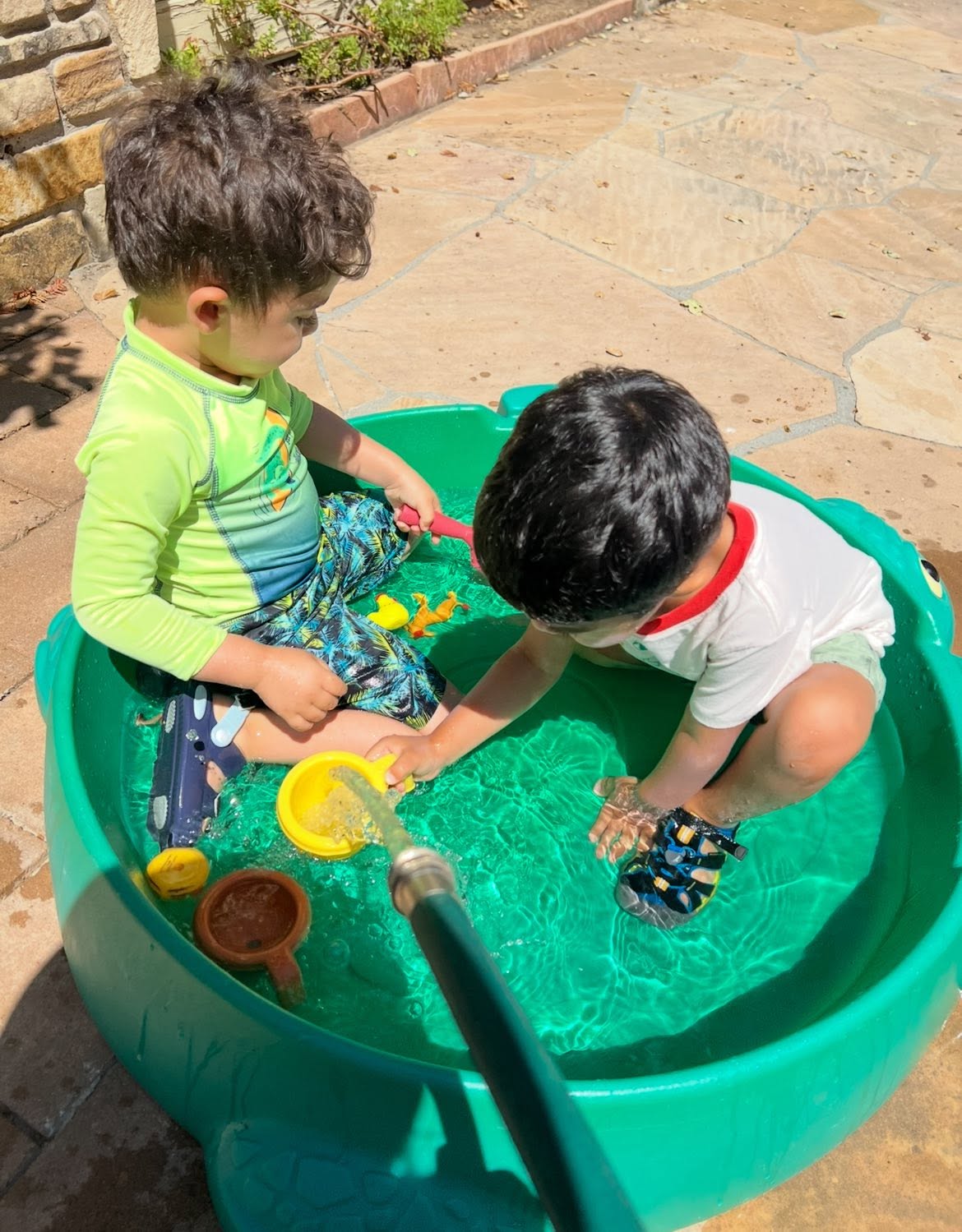
Two outdoor blocks most days — the garden, the water table, the sand table, ride-on toys. Big movement is part of the curriculum, not a break from it.
Families sometimes worry that a home program means less preparation than a preschool classroom. Our answer is the day itself: letters and numbers practiced daily, circle-time listening and turn-taking, scissors and glue and pencils in constant rotation, and the social steadiness that comes from years in one consistent, mixed-age group. Children leave us knowing their letters and sounds — and just as importantly, comfortable and confident in a group.
The best way to understand our approach is to visit during the morning and watch it happen. Tours take place during the real day.